ESA1 launched Sentinel-1D, the latest addition to its Copernicus Sentinel-1 mission on November 4th, on board an Ariane 6 launcher from Europe’s Spaceport in French Guiana, South America. Now the first images from Sentinel-1D2 (in orbit at roughly 700 km of altitude) are published. Sentinel-1D is meant to replace Sentinel-1A, which has been oeprational in orbit since 2014, longer than its planned lifetime. Sentinel-1D will work “in tandem” with Sentinel-1C launched last year, orbiting 180° apart.
Sentinel-1D uses a 12 meter long SAR3 antenna in the C-band (5.405 GHz). Sentinel-1D (like Sentinel-1C) also carries an AIS4 instrument which improves its capacity to detect ships and sea pollution.
After launch, Sentinel-1D captured and downlinked data from over the Antarctic, South America, the Antarctic Peninsula, the Tierra del Fuego and the Thwaites Glacier, and Bremen in Germany. According to ESA,
all this was done within 50 hours of launch, which is likely to be the shortest time from launch to data delivery for a radar-based Earth observation satellite.
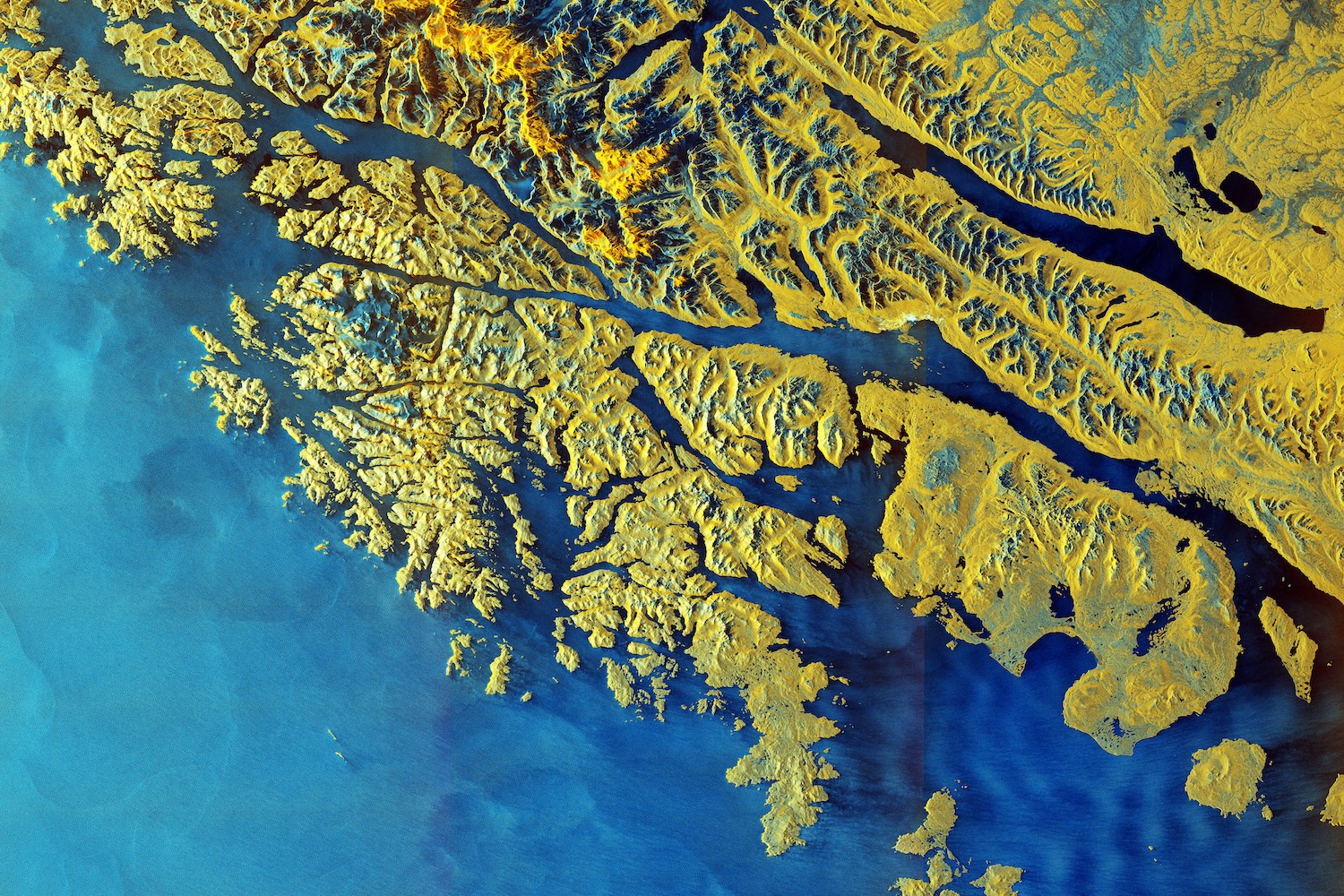
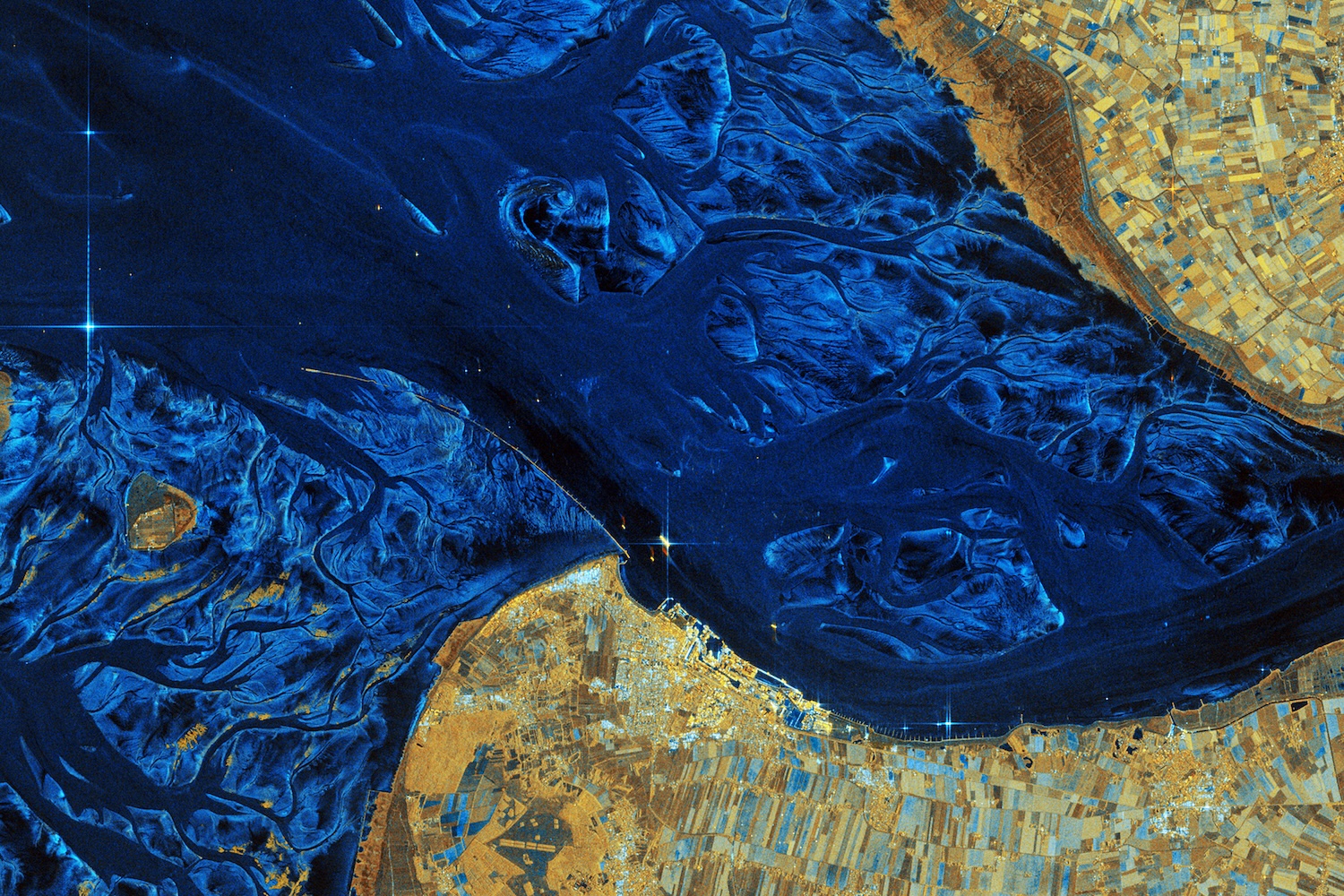
More information can be found in the announcement by ESA, this article on Sentinel-1D and on the Copernicus Sentinel-1 mission page.
Footnotes
European Space Agency↩︎
Not precisely images as Sentinel-1D uses Radar, not an optical instrument.↩︎
Synthetic Aperture Radar↩︎
Automatic Identification System. AIS devices are installed on ships and emit information such as identification, position, course, and speed of the ship. The combination of SAR with an AIS instrument enables Sentinel-1D to detect so called “dark” ships, i.e., ships that have turned off their AIS to escape detection.↩︎